
Intelligence Brief
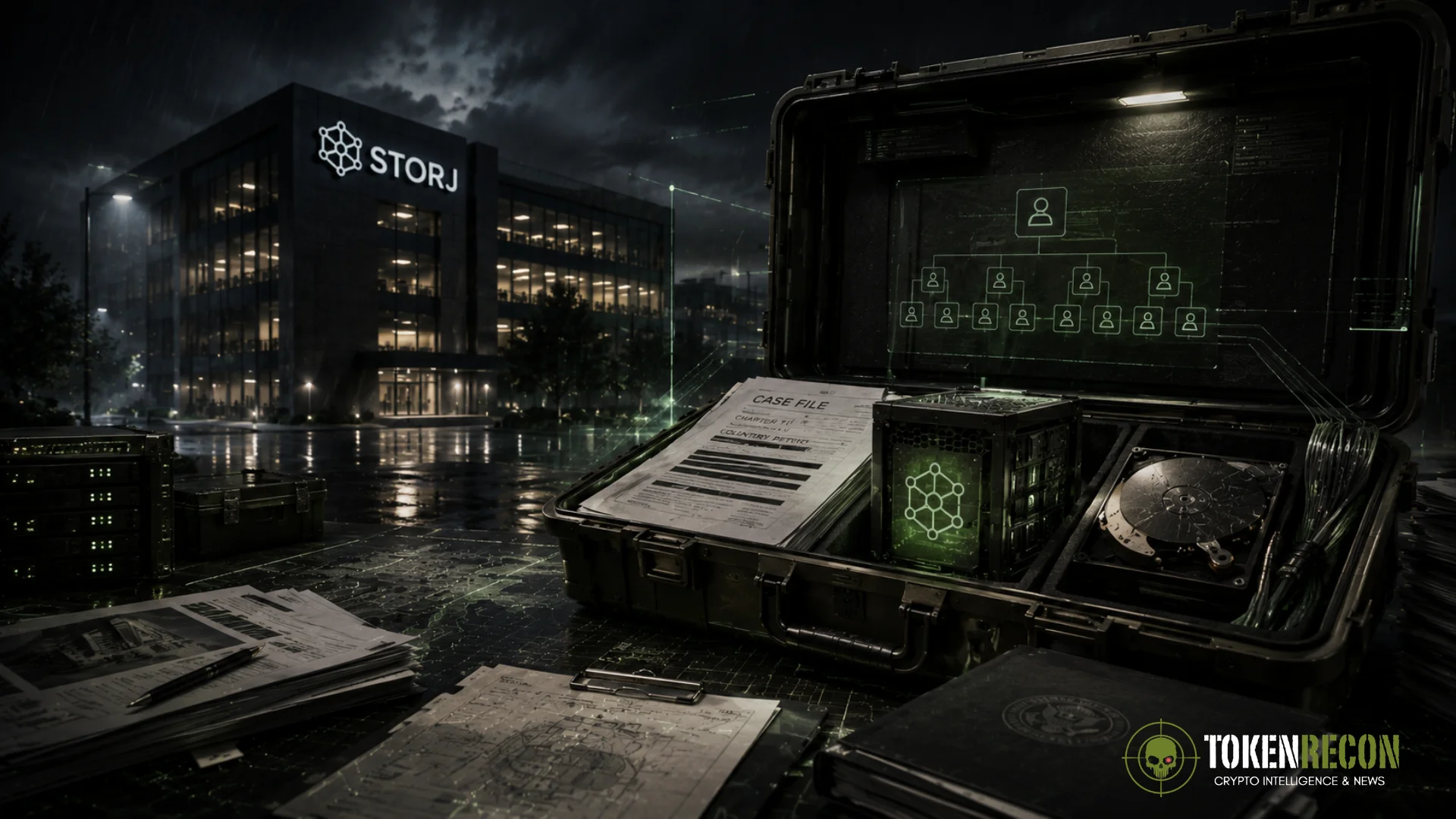
Decentralized cloud storage provider Storj Labs has filed for Chapter 11 bankruptcy, becoming the fourth crypto company in seven days to announce a shutdown, bankruptcy, or wind-down.
Unlike most insolvency cases, Storj said it intends to include token holders in the ownership structure of the reorganized company if its restructuring plan moves forward.
Why It Matters
The latest filing points to growing pressure across parts of the crypto industry.
Storj joins BitMEX, BitMart, and Movement Labs in announcing major operational setbacks within a single week. The pace of failures raises fresh questions about capital conditions, business sustainability, and the health of smaller crypto firms.
JUST IN: Storj Labs files for Chapter 11 bankruptcy, the fourth crypto company in seven days to announce a failure or wind-down, alongside BitMEX, BitMart, and Movement Labs.
In a rare move, Storj says it plans to include token holders in ownership of the reorganized company. pic.twitter.com/vi9UxL9uuy
— CoinDesk (@CoinDesk) July 27, 2026
Key Developments
Storj Labs has entered Chapter 11 bankruptcy protection, allowing the company to continue operating while restructuring its business and liabilities.
The company also proposed an uncommon approach by giving token holders an opportunity to participate in the ownership of the reorganized business.
If approved, the structure would align token holders with the company’s long-term recovery rather than treating them solely as creditors.
Intelligence Assessment
The bankruptcy reflects more than company-specific challenges.
Higher financing costs, weaker venture funding, and slower market activity continue to pressure crypto businesses that rely on long-term capital and infrastructure spending.
Storj’s decision to include token holders in the restructuring could establish a reference point for future crypto bankruptcies if the courts approve the plan. Whether that model gains broader adoption will depend on its legal outcome and the value ultimately returned to stakeholders.
Risk Assessment
Chapter 11 does not guarantee recovery.
The restructuring process could reduce existing stakeholder value or alter token economics depending on the final plan approved by the court.
The recent cluster of exchange closures, wind-downs, and bankruptcy filings may also weigh on investor confidence, particularly in smaller infrastructure projects with limited access to capital.